※本記事はアフィリエイト広告(プロモーション)を含みます。
This is where Ura-Harajuku began. GOODENOUGH, led by Hiroshi Fujiwara, is the legendary brand known as “the origin of Ura-Hara.”
It sold out the day it dropped and still fetches high prices second-hand — yet for years, nobody even knew who was behind it. Here is the full story, from its start to its classics, its end and its return, with photos.
View this post on Instagram
Post: @2ndstreet_official
2nd STREET’s official post on Ura-Hara classics you can now only find second-hand. First up: GOODENOUGH denim and parkas.
What is GOODENOUGH?
| Started | 1990 |
| Key figure | Hiroshi Fujiwara |
| Graphics | SK8THING and others |
| Short name | GDEH |
| Influences | Stüssy, Anarchic Adjustment (UK) |
| Keywords | Skate, surf, BMX, hip-hop, parody graphics |
Timeline
It started with “let’s make good T-shirts”
GOODENOUGH began in 1990, when graphic designer SK8THING suggested to Hiroshi Fujiwara that they make premium graphic T-shirts. Fujiwara was already the DJ who had brought London punk and New York hip-hop to Japan, and he wrote about the latest overseas culture in his “LAST ORGY” column. Influenced by Stüssy and Britain’s Anarchic Adjustment, he started making clothes that mixed surf, BMX and hip-hop.
For his background, see the Hiroshi Fujiwara article.
Why no name?
The most famous GOODENOUGH story is that the designer was never announced. For years, almost nobody knew who made it.
“If I attached my name to the brand, only people who liked me would buy it.” — Hiroshi Fujiwara (via Hypebeast)
Not selling on a famous name, but on the clothes themselves — an attitude that still echoes in today’s “if you know, you know” archive culture.
Limited supply to protect value
New releases routinely sold out the same day, and prices were deliberately set on par with Western designer goods of the time. In 1995 Fujiwara paused the brand for about six months and cut its stockists to around ten stores run by friends, reportedly because he felt that carrying on as before would lower the brand’s value.
Design features
- Parody graphics: NASCAR emblems, psychedelic Karl Marx illustrations, a reworked Lonely Planet logo and more.
- The “G” logo: still the face of the brand; the 1991 “End Racism” tee is well known.
- Ahead of the bomber and varsity trend: it reportedly made them years before they became popular.
- Understated logos: placed subtly rather than shouted.
Classics
Denim and parkas
2nd STREET describes GOODENOUGH’s denim and parkas as quiet designs that those in the know recognize (see the post at the top).
Graphic T-shirts
T-shirts are where it all began. Temple graphics, the G logo and parody designs — 90s tees are still hunted by many.
View this post on Instagram
Post: @beegle_by_boobee
View this post on Instagram
Post: @store__me08
Magnetic Stealth Jacket (2000s)
View this post on Instagram
Post: @300700.store
Patchwork zip hoodie (2000s)
View this post on Instagram
Post: @sixtysevensoup
90s FINESSE GOODENOUGH
A 90s GOODENOUGH piece carrying the “FINESSE” name. The red buffalo check is pure 90s.
View this post on Instagram
Post: @danjil2
Mouton jacket
The mouton jacket Fujiwara wore in the October 1999 issue of Street Jack has been called a true grail by overseas media.
View this post on Instagram
Post: @akirasgoodchild
The “school” of Ura-Harajuku
GOODENOUGH raised people as well as clothes. NIGO (A BATHING APE) and Jun Takahashi (UNDERCOVER) are said to have learned a great deal around Fujiwara and GOODENOUGH. The movement really took off with NOWHERE, which they opened in 1993, and with NEIGHBORHOOD, HECTIC, BOUNTY HUNTER and others joining, Ura-Harajuku became a major movement.
The end, and after
By the late 1990s, Fujiwara was shifting from growing his own brand to a design studio that sells ideas to companies — later fragment design. GOODENOUGH continued in different forms: RESONATE GOODENOUGH (2004), GOODENOUGH IVY (2013), and a capsule with UNDEFEATED (2016). According to sabukaru, its end was announced in 2017. Then in June 2025 a Supreme × GOODENOUGH collaboration arrived, carrying “the origin of Ura-Hara” to a new generation.
View this post on Instagram
Post: @supremenewyork
Tips for buying second-hand
- Watch for fakes and swapped tags: always check close-up photos of the tag and stitching.
- Date it by the tag: a 90s G-logo piece is worth far more than a later reissue or collab.
- Magazine pieces cost more: items featured in magazines of the time are especially pricey.
- Buying from abroad: use a proxy service to buy from Mercari or Yahoo! Auctions.
Search GOODENOUGH on Mercari Japan →
FAQ
Q. Whose brand is GOODENOUGH?
It was started in 1990 with Hiroshi Fujiwara at its center, with graphics by SK8THING among others. For years the designer wasn’t publicly named.
Q. Can I still buy it?
New items occasionally appear through collaborations. 90s pieces are only available second-hand.
Sources: sabukaru “An Ura-Hara Champion: GOODENOUGH” / Hypebeast “How GOODENOUGH Made Hiroshi Fujiwara the Godfather of Streetwear” / Yokogao Magazine. Photos are embedded Instagram posts.
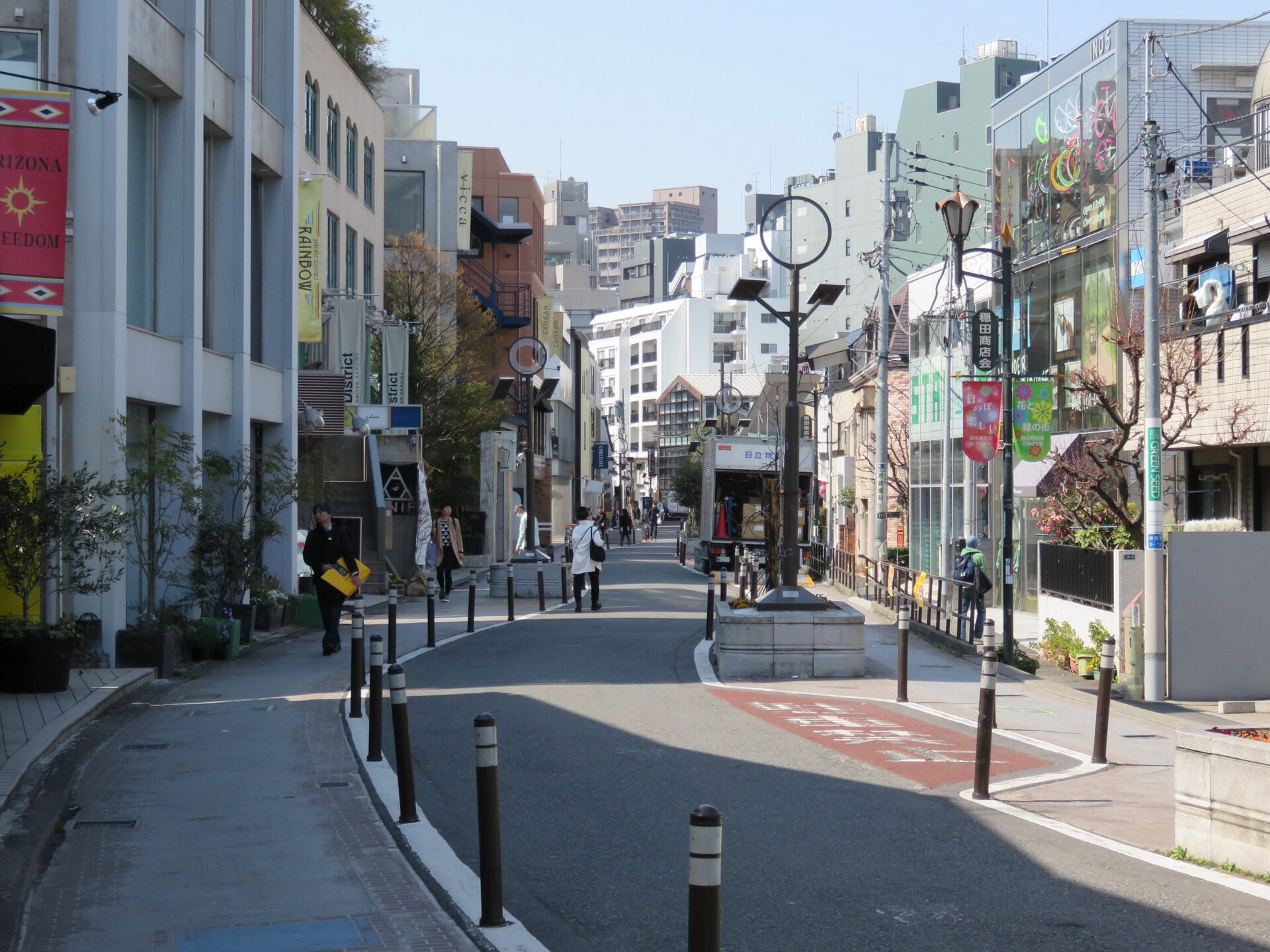
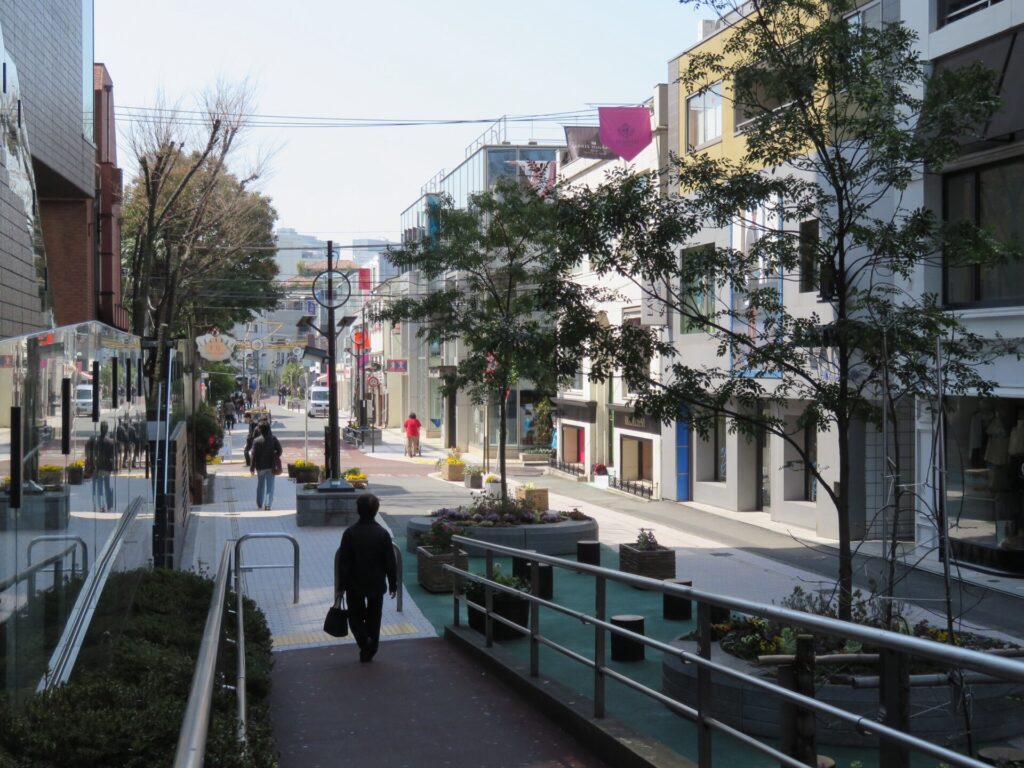
Featured image: Cat Street, Ura-Harajuku — photo by Aw1805 / Wikimedia Commons (CC BY-SA 3.0)


コメント